Ad Valorem Taxes on Mineral Rights Explained
Most mineral rights owners know about royalty income. Fewer realize they may also owe annual property taxes on the mineral interest itself. These are called ad valorem taxes, and in many states, they're assessed separately from the surface property taxes.
What Ad Valorem Means
"Ad valorem" is Latin for "according to value". Ad valorem taxes on mineral rights are property taxes based on the assessed value of your mineral interest. The county assessor determines the value, and you pay a tax based on that valuation and the local millage rate.
This is separate from severance taxes (which are withheld from your royalty checks by the operator). Ad valorem taxes are billed to you directly by the county.
How Mineral Interests Are Valued
The unique character of minerals makes valuation one of the most difficult processes for assessors. In many states, the state government or private consultants determine the value for local jurisdictions rather than having county assessors do it themselves.
The assessor typically values producing mineral interests based on the income they generate, using production levels from the previous year and your economic interest in the property. Non-producing mineral interests (land with no active wells) may be assessed at a lower value or not assessed separately at all, depending on the state and county.
The valuation method varies by state:
- Some states use a percentage of gross or net income
- Some capitalize the income stream over an estimated remaining productive life using reserves-based methods
- Some use a flat value per acre for non-producing minerals
- Depending on the jurisdiction, the assessment can involve property value, fair market value of extracted resources, equipment value, or all three
In most cases, the assessed value appears on a notice from the county assessor. If you think the valuation is wrong, you usually have a window to protest before the tax is finalized.
Which States Assess Mineral Taxes
Not every state taxes mineral interests separately. States that commonly assess ad valorem taxes on minerals include:
- Texas
- Kansas
- Wyoming
- Montana (replaced traditional ad valorem on oil/gas production with a production tax in 1995, though mineral rights are still classified as property)
- North Dakota (minerals are taxed as real property, though specific statutes for severed mineral taxation have been revised over time)
- West Virginia
- Colorado (one of a small number of states that tax gross income from produced oil and gas rather than calculating market value)
- New Mexico
Note: Oklahoma uses a gross production tax that is paid in lieu of ad valorem taxes on producing mineral interests. Non-producing minerals in Oklahoma may still be subject to ad valorem assessment, but the system works differently from the states listed above.
The specifics (rates, assessment methods, exemptions) vary by state and sometimes by county within a state.
What the Tax Statement Looks Like
You'll receive a property tax statement from the county treasurer or tax collector. It will show:
- The property description (usually by legal description or parcel number)
- The assessed value
- The tax rate (millage)
- The amount due
- The due date (often split into two installments)
If you own interests in multiple counties, you'll receive a separate statement from each one.
Paying and Tracking
Pay the tax by the due date to avoid penalties and interest. Keep the payment receipt or a record of the transaction.
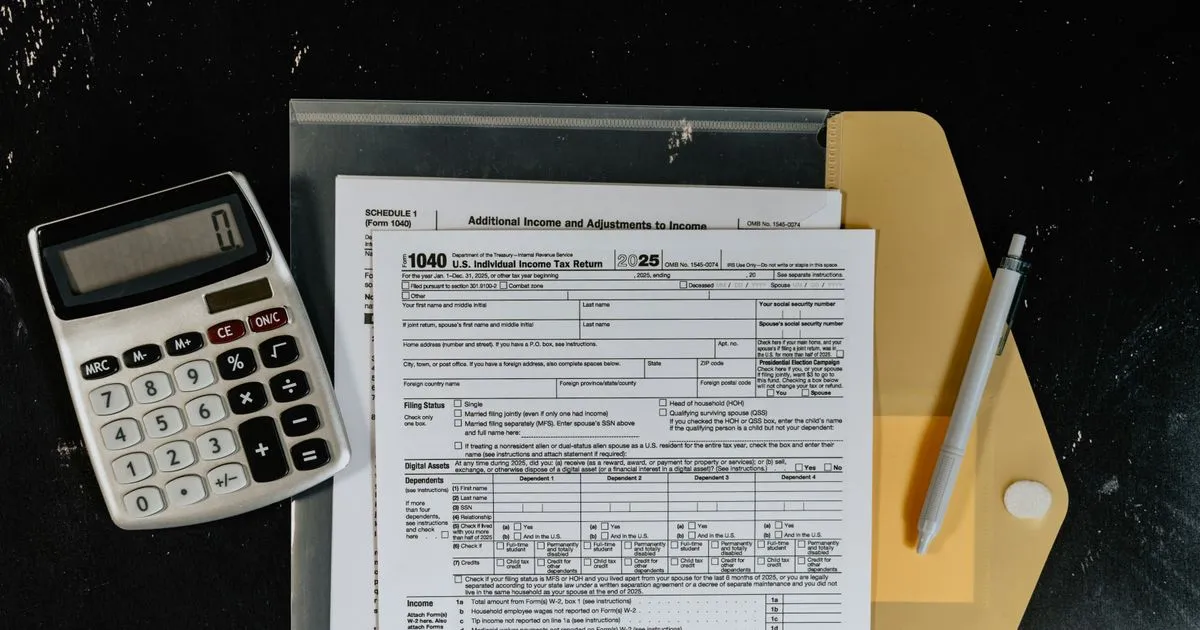
These taxes are deductible on your federal income tax return as an expense on Schedule E against your royalty income. That's one of the reasons tracking them matters. If you pay $400 in ad valorem taxes on your mineral interests and don't deduct it, you're overpaying your income taxes.
What Happens If You Don't Pay
Delinquent mineral taxes accrue penalties and interest. In some states, prolonged delinquency can result in the mineral interest being sold at a tax sale, just like surface property. This is rare, but it happens.
If you inherited mineral interests and aren't sure whether taxes are current, contact the county treasurer for each county where you own minerals. Ask if there are any delinquent taxes on your properties. It's better to find out now than to discover the problem when you try to sell or lease.
Keep the Records
MinRight's tax records section lets you record the assessed value, tax amount, and payment date for each property. Track it year over year so you can see if the assessed value is changing and whether it aligns with your actual income from the property.
These taxes are deductible when you report royalty income on Schedule E, so keeping them organized pays for itself at tax time. For more on recordkeeping requirements, see why you should keep records for at least seven years.