What Happens During a Well Workover
If your royalty check suddenly drops or a well that normally pays every month skips a period, the well may be undergoing a workover. A workover is maintenance or repair work performed on an existing well to restore or improve production. It's a normal part of a well's lifecycle, and understanding what it involves helps you interpret gaps in your payment history.
What a Workover Is
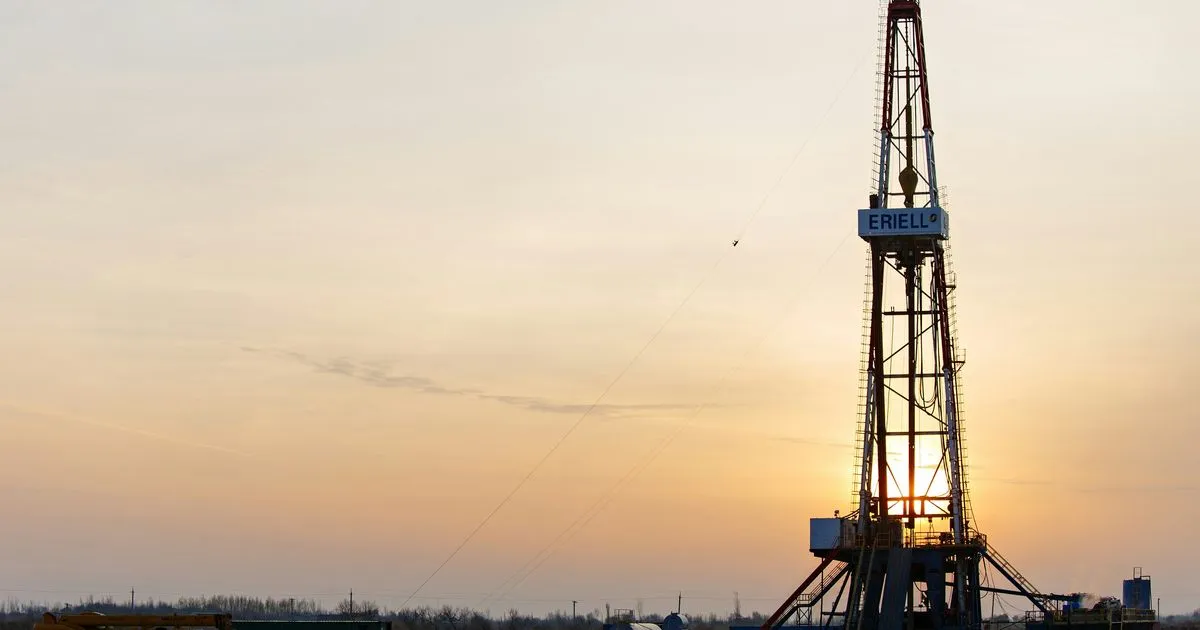
A workover is any operation on a completed well that is designed to fix a problem or enhance production. Unlike drilling a new well, a workover works with the existing wellbore. A workover rig (smaller than a drilling rig) is brought to the location, and the work is performed over days to weeks depending on complexity.
Common Reasons for Workovers
Pump replacement or repair. Most mature wells use artificial lift (pump jacks, electric submersible pumps, rod pumps) to bring oil to the surface. When the pump fails, a workover replaces or repairs it.
Rod and tubing work. The metal rods and tubing inside the wellbore wear out over time. Replacing them requires pulling everything out of the well and installing new equipment.
Cleanout. Sand, scale, paraffin wax, or other deposits can accumulate in the wellbore and restrict flow. A cleanout removes the buildup and restores production rates.
Recompletion. The operator may want to produce from a different formation (zone) than the one currently open. This involves plugging the existing perforations, drilling new perforations at a different depth, and potentially fracturing the new zone.
Squeeze cementing. If the cement around the casing has failed, water or gas from other formations can enter the wellbore and dilute production. Squeeze cementing repairs the cement seal.
Well stimulation. Acid treatments or additional fracturing can be performed on existing wells to improve flow rates from the current formation.
How It Affects Your Royalties
Production stops during the workover. The well is typically shut in while work is being performed. No production means no revenue and no royalty payment for that period.
The gap shows up on your check stub. Because of the production-to-payment delay, you may not see the gap until two to three months after the workover. A well that was shut in for three weeks in June might show reduced or zero production on your August or September check.
Production may increase afterward. If the workover is successful, the well may produce at a higher rate than before. A pump replacement on a well that was struggling with a failing pump can restore production to near its previous level. A recompletion into a new zone can generate production from a formation that wasn't previously tapped.
Production may not recover. Some workovers are performed on wells that are nearing the end of their productive life. If the workover doesn't restore meaningful production, the operator may decide to plug the well. See our post on what happens when a well stops producing.
Who Pays for It
Workover costs are paid by the working interest owners (the operator and any other working interest participants). As a royalty interest owner, you do not pay for workovers. The cost does not appear as a deduction on your check stub.
However, the lost production during the workover does affect you indirectly because you have no royalty income for that period.
What to Watch For
If a well misses a payment period and you suspect a workover:
- Check the state oil and gas commission for any filed workover permits
- Call the operator and ask whether the well was shut in for maintenance
- Note the dates so you can verify that production resumes and your payments restart
Workovers are routine. A well that undergoes a successful workover can produce for many more years. The temporary gap in payments is the cost of keeping the well running.