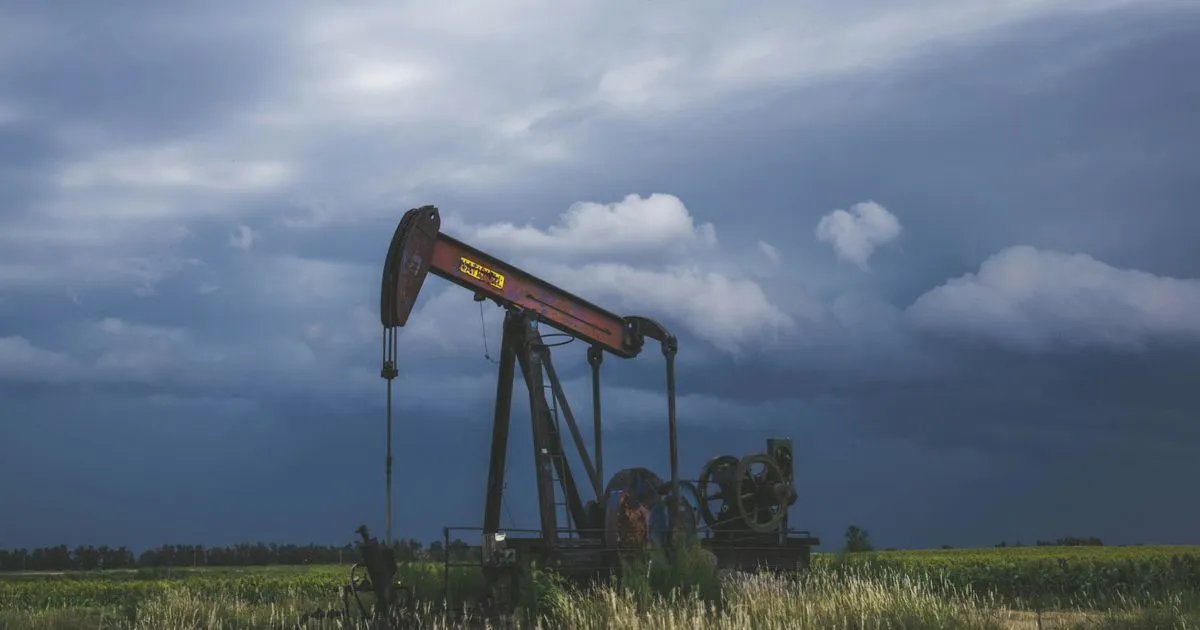
What Happens When a Well Stops Producing
One month the check comes in like clockwork. The next month, nothing. The well that's been producing for years has gone quiet. Before you assume the worst, understand that there are several reasons a well stops producing, and not all of them are permanent.
Temporary Shutdowns
Maintenance and workovers. Wells need maintenance. The operator may shut a well in temporarily to replace a pump, clean out the wellbore, or perform a workover to improve future production. These shutdowns can last days, weeks, or occasionally months. Once the work is done, the well comes back online. Analysis shows an average 25% decrease in oil rate and 31% decrease in gas rate for wells shut in for 6-24 months, so post-shutdown performance may be lower than before.
Pipeline issues. If the pipeline that carries the product to market goes down for repairs or reaches capacity, the operator may have no choice but to shut wells in until the pipeline is available. Your well is fine, it just has nowhere to send the product.
Low commodity prices. When oil or gas prices drop below a certain level, some wells become uneconomical to operate. The operator may temporarily shut them in and wait for prices to recover. During the 2020 COVID price crash, U.S. crude production fell 8% on an annual basis, with thousands of wells shut in across North Dakota and other producing states.
Regulatory holds. State regulators can order wells shut in for environmental, safety, or compliance reasons. These are usually temporary but can take time to resolve.
What It Means for Your Lease
This is where it gets important. Most leases continue only "so long as" there is production. If a well stops producing, does the lease expire?
It depends on the circumstances:
Temporary cessation. Most leases (and most courts) allow for reasonable temporary cessation of production without terminating the lease. Courts typically evaluate three factors: (1) the duration of the cessation, (2) the cause, and (3) the lessee's diligence in attempting to restore production. A well shut in for a few months for maintenance generally won't terminate the lease. However, a Texas appellate court ruled that a cessation of 12 months was sufficient to terminate a lease.
Shut-in royalty payments. Many leases include a shut-in clause that allows the operator to pay a small annual shut-in royalty to keep the lease alive when a well is capable of producing but isn't currently connected to a market. Check your lease for this provision. If the operator is paying a shut-in royalty, the lease is still active. Well-drafted leases cap shut-in periods at three to five years.
Permanent abandonment. If the well is plugged and abandoned, production is over. Under the automatic termination rule, cessation of production terminates the leasehold estate by operation of law unless excused by a savings mechanism. If there are no other producing wells on the lease, the lease terminates. Your minerals revert to being unleased, and you're free to negotiate a new lease with any company that's interested.
When a Well Is Plugged
Plugging a well means filling the wellbore with cement to permanently seal it. State regulations typically require cement plugs across the reservoir, the base of fresh water, and at the surface to isolate formations and protect groundwater. After plugging, the well site is restored to its original condition and casing is cut off below plow depth.
Plugging doesn't affect your mineral ownership. The minerals are still there, still yours. The reservoir may still contain recoverable oil or gas that could be accessed by a new well with different technology or targeting a different formation.
What to Watch For
- Check your payment history. If you track payments in MinRight, you'll notice a gap immediately. A well that normally pays monthly or quarterly and suddenly stops deserves a follow-up call.
- Check the state oil and gas commission. Look up the well by API number on your state's well database. The commission's records will show the well's current status (active, shut-in, plugged, temporarily abandoned).
- Contact the operator. Ask why production stopped and whether it's expected to resume. Get a timeline if possible.
- Watch for shut-in royalty payments. If you receive a small annual payment instead of regular royalty checks, the operator is keeping the lease alive under a shut-in provision.
The Long View
Wells don't produce forever, but the end of one well isn't necessarily the end of income from your minerals. New wells can be drilled. New formations can be targeted. Technology improves. Land that wasn't worth drilling twenty years ago may be worth drilling today.
When a well stops producing, update your records in MinRight. Note the date, the reason (if known), and whether the lease terminated or is being held by a shut-in clause. If the lease expires, update the property's status to unleased. Your minerals are still an asset, just one that's waiting for the next chapter.