Mineral Rights in North Dakota: What Owners Need to Know
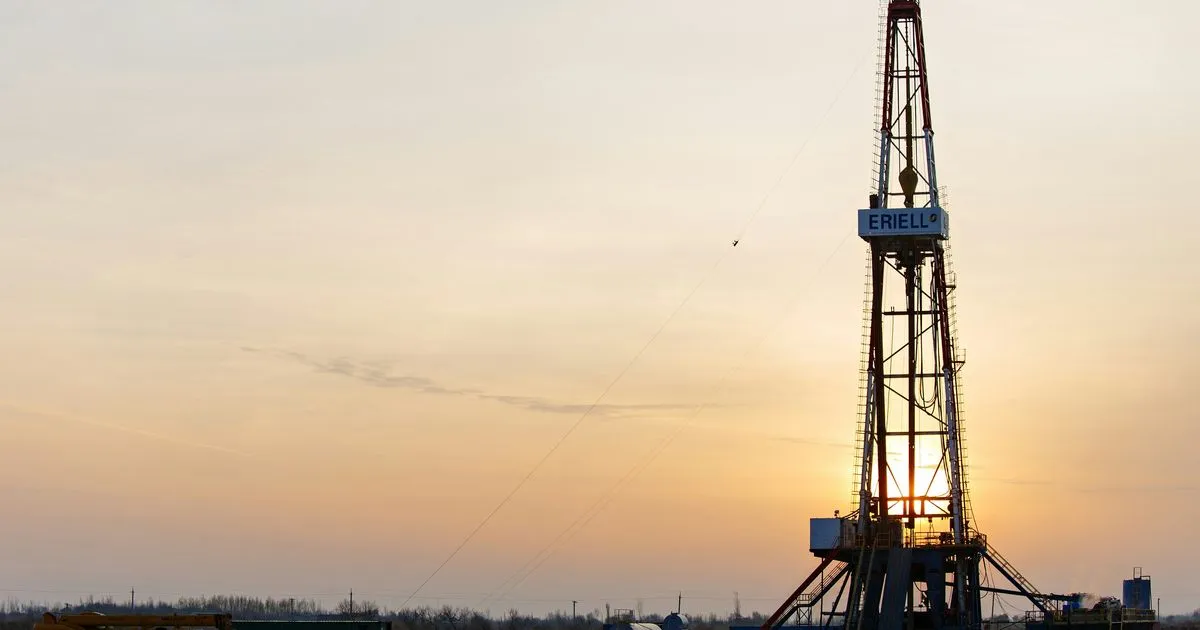
North Dakota went from a quiet agricultural state to one of the top oil producers in the country when the Bakken formation took off in the mid-2000s. If you own mineral rights in North Dakota, you may be sitting on valuable interests, but the state has some unique rules you need to understand.
The Bakken and Three Forks
The Bakken and Three Forks formations in western North Dakota (primarily McKenzie, Mountrail, Williams, and Dunn counties) are among the most productive oil plays in the United States. Horizontal drilling and hydraulic fracturing unlocked massive reserves, and activity remains strong.
If your minerals are in this area, they're likely valuable whether they're currently leased or not. Even small fractional interests can generate meaningful royalty income from Bakken wells, which often have high initial production rates.
The Dormant Mineral Act
This is the big one. North Dakota has a dormant mineral act (Chapter 38-18.1) that can terminate your mineral rights if they go unused for 20 years.
The act applies when:
- The mineral interest has been severed from the surface
- No production, lease, or recorded transaction has occurred in 20 years
- No Statement of Claim has been filed
If these conditions are met, the surface owner can send a notice to the mineral owner. If the mineral owner doesn't respond by filing a Statement of Claim within 60 days, the minerals revert to the surface owner.
How to protect yourself: File a Statement of Claim with the county recorder. The filing fee is minimal. This resets the 20-year clock. If you own minerals in North Dakota and haven't filed one recently, do it now.
The Department of Mineral Resources
The North Dakota Department of Mineral Resources (DMR) regulates oil and gas activity and provides free public data:
- Well permits and completion reports
- Production data
- Spacing and pooling orders
- A dedicated mineral owner information page, including guidance for inherited interests
The DMR website is your primary resource for researching wells and production on your minerals.
County Records
The North Dakota Recorders Information Network (NDRIN) provides online access to deed records for 50 of the state's 53 counties. It's subscription-based. The three non-member counties are Billings, Oliver, and Slope, so you may need to contact those county recorders directly.
Spacing and Pooling
North Dakota uses 1,280-acre spacing units (two sections) for most horizontal Bakken wells. The North Dakota Industrial Commission handles spacing and pooling orders.
If you're pooled into a unit, you'll receive a pooling order with options to participate, lease at specified terms, or be pooled at the statutory rate. As with other states, responding to pooling orders is important. The default terms are rarely the best terms.
Royalty Rates
Under NDCC 38-08-08, unleased mineral owners who are pooled receive a cost-free royalty equal to the acreage-weighted average royalty of the leased tracts in the unit, or at the operator's election, a cost-free royalty of 16%. (The older 1/8 minimum only applies to interests pooled before August 1, 2009.) Many leases negotiate higher rates (3/16 or 1/5), especially in active areas.
Oil Extraction Tax
North Dakota imposes both a 5% gross production tax and a 5% oil extraction tax, for a combined rate of 10%. These are deducted by the operator before you receive your check. Low-producing "stripper" wells are exempt from the extraction tax. The threshold varies by well depth and formation: 35 barrels per day for Bakken/Three Forks wells, with lower thresholds (10-30 bpd) for shallower or non-Bakken wells, measured over 12 consecutive months. Wells completed outside the Bakken and Three Forks formations may qualify for a reduced 2% extraction rate.
Key Takeaways for North Dakota Mineral Owners
- File a Statement of Claim immediately if you haven't in the last 20 years
- Use the DMR website for free well and production data
- Respond to pooling orders before the deadline
- Contact county recorders directly if your county isn't on NDRIN
- Even small fractional interests in the Bakken can be valuable
MinRight can track your North Dakota interests alongside properties in other states. Use the deadline feature to set reminders for dormant mineral act statement of claim filings so nothing lapses. For research resources, see our post on finding mineral rights online.
Also see our guides for Oklahoma, Texas, Pennsylvania, and Kansas.