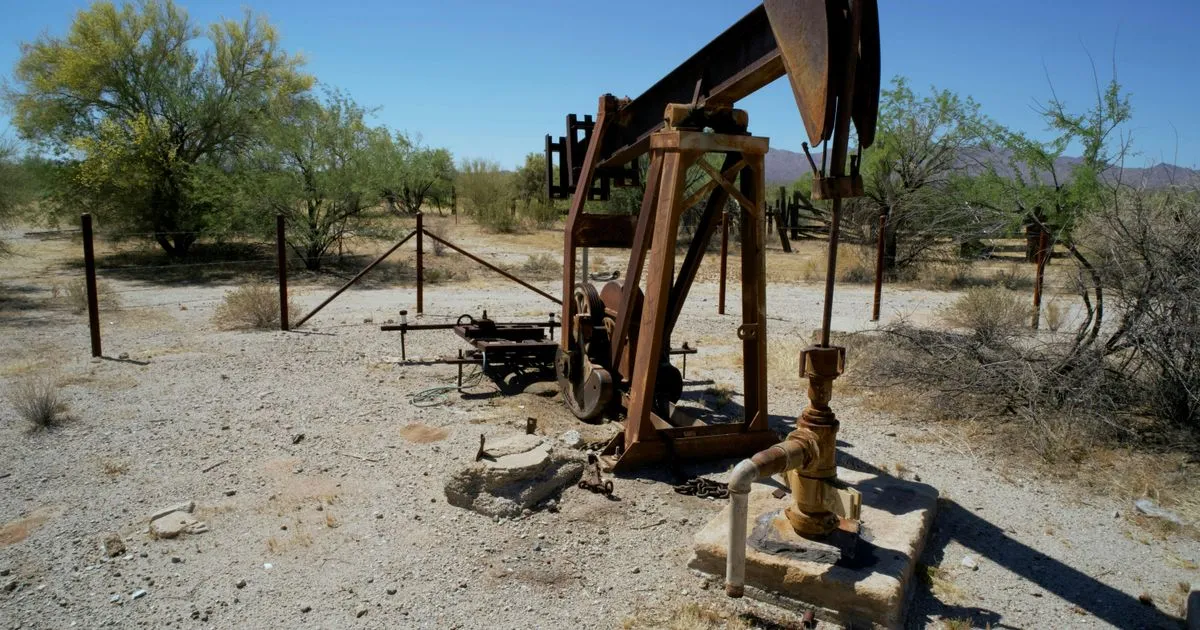
Dormant Mineral Acts: States Where You Can Lose Rights
Most people assume that once you own mineral rights, you own them forever. In most states, that's true. But a number of U.S. states have enacted dormant mineral acts that can terminate your ownership if the minerals go unused for a set period.
The U.S. Supreme Court upheld the constitutionality of these statutes in Texaco, Inc. v. Short (1982), ruling that a state has the power to condition the permanent retention of a property right on the performance of reasonable conditions that indicate a present intention to retain the interest. In other words, owner inaction is the cause of loss, not the action of the government.
If you own inherited mineral rights and haven't done anything with them in a while, this is worth understanding.
How Dormant Mineral Acts Work
The general pattern is the same across states: if a severed mineral interest has had no activity and no recorded claim for a specified period, the surface owner can take steps to reclaim those minerals. The process typically looks like this:
- The mineral interest has been inactive for 10 to 20 years (no production, no lease, no recorded transaction)
- The surface owner sends notice to the mineral owner (by certified mail or publication if the owner cannot be found)
- If the mineral owner doesn't respond by filing a claim within a set window (often 60 days), the minerals revert to the surface owner
The key word is "severed." These acts apply when the mineral rights have been separated from the surface rights. If you own both, this doesn't affect you.
States with Dormant Mineral Acts
States with some form of dormant mineral statute include Ohio, Indiana, North Dakota, Louisiana, Michigan, Kansas, Nebraska, South Dakota, Oregon, Washington, California, Pennsylvania, Kentucky, Tennessee, Maryland, and West Virginia. Here are the most prominent:
North Dakota: Mineral interests unused for 20 years can be deemed abandoned under Chapter 38-18.1 of the North Dakota Century Code. Mineral owners can protect their interests by recording a Statement of Claim with the county recorder. The filing fee is small, and it resets the clock. If you own minerals in North Dakota and haven't filed recently, do it now.
Ohio: The Dormant Mineral Act (Ohio Revised Code § 5301.56) allows surface owners to send notice to mineral owners whose interests have been inactive for 20 years. The 2006 amendment requires that the surface owner serve notice before any abandonment can occur. The mineral owner then has 60 days to file a preservation claim with the county recorder, or an affidavit identifying a saving event within the prior 20 years. The Ohio Supreme Court confirmed in 2016 that the 1989 version of the act was not self-executing: the surface owner must initiate the process.
Indiana: The statute that was upheld in Texaco v. Short provides that mineral interests lapse after 20 years of non-use unless the owner files a statement of claim.
Louisiana: Mineral interests that are not used (no exploration or production) for 10 years revert to the surface owner through the prescription of nonuse. This is the shortest dormancy period of any state.
Kansas: Mineral interests that haven't been used, leased, or claimed for 20 years can be extinguished if the surface owner follows the proper notice process.
Michigan, Nebraska, South Dakota, and several others have their own versions with varying time periods and procedures.
Oklahoma and Texas do not have traditional dormant mineral acts. Texas treats severed mineral rights as permanent. Oklahoma has limited provisions (Title 60 §§ 669.1-669.4) that allow surface owners to claim mineral interests unused for 20 years, but these function differently from the dormant mineral acts in states like Ohio and Indiana.
What Counts as "Use"
In most states, any of the following will keep your minerals from being considered dormant (known as "saving events"):
- Active production on the property
- An existing lease (even if no wells have been drilled)
- Payment or receipt of royalties, bonuses, or delay rentals
- A recorded deed, assignment, or other conveyance
- Filing a statement of claim or notice of interest with the county
- Payment of property taxes on the mineral interest (in some states)
The easiest and cheapest protection is simply filing a statement of claim. It's a one-page document recorded with the county, and it preserves your rights.
What to Do
If you own mineral rights in a state with a dormant mineral act:
- Check the statute for your state. Valor maintains a state-by-state guide to dormant mineral statutes with links to the relevant laws.
- File a statement of claim. In most states, this is a simple recorded document that resets the clock. Do it now rather than waiting.
- Keep records of any activity. Lease payments, tax payments, correspondence with operators, and royalty checks all count as activity.
- Set a reminder. If the dormancy period is 20 years, set a reminder to file a new statement well before that window closes.
- Monitor for notices. If a surface owner initiates the abandonment process, you'll receive a notice by mail. If you don't respond within the statutory window (typically 60 days), you lose the minerals. Make sure your contact information is current with the county and with any operators.
Don't Let Inaction Cost You
Dormant mineral acts exist because legislatures decided that abandoned minerals should return to productive use. The Marcellus and Utica shale boom brought renewed attention to these statutes as surface owners in Ohio, Pennsylvania, and West Virginia sought to reclaim mineral interests that had been dormant for decades. If you're actively managing your interests, even minimally, you have nothing to worry about. The danger is in forgetting.
Inherited minerals that sit in a drawer for decades, in a state with a dormant mineral act, can quietly disappear. A few minutes of paperwork every decade or so is all it takes to prevent that.
MinRight's deadline tracking can remind you when a statement of claim is due for renewal. Set the deadline, and you won't have to rely on memory. For state-specific details, see our guides for North Dakota and Kansas, both of which have active dormant mineral statutes. If your minerals have been idle across multiple generations, addressing dormant mineral risk should be a priority.